

As the industry converges at the Fontainebleau for POSSIBLE Miami 2026, the narrative has shifted. Artificial intelligence is no longer just a tool for automation; it has become the connective tissue helping advertisers unify fragmented channels and bring accountability to traditionally “unmeasurable” media.
For marketers, the focus in 2026 is less about speed and more about connectivity, linking the first moment of exposure directly to a business outcome.
Three AI Shifts Defining the Agenda
The sessions at POSSIBLE this year reflect a pivotal moment for adtech, focusing on how intelligence is applied at scale:
- Cross-Channel Intelligence: Discussions like Sense from the Static explore how AI uncovers patterns across audio, video, and text to map intent in ways traditional data often misses.
- Agentic AI & MMM: Leaders from brands like Hershey are showcasing how “Agentic AI”systems that can reason and execute are being paired with modern Marketing Mix Modeling (MMM) to drive predictable full-funnel growth.
- Governed Local Automation: The industry is moving toward “Agentic Multilocation” strategies, using AI to activate local data at a national scale while maintaining brand control.
Together, these discussions signal that AI is moving from a back-office optimization tool to the centerpiece of media planning and measurement.
Beyond Static Segments: Dynamic Audience Intelligence
The era of static audience segments is ending. In 2026, consumers move fluidly between physical and digital environments, making traditional, siloed reporting obsolete.
AI is helping advertisers bridge this gap, interpreting the journey from a digital billboard during a commute to a CTV ad in the evening as a single, continuous experience. By understanding how attention develops across channels rather than inside isolated platforms, brands are finally gaining a clear picture of true consumer intent.
The Full-Funnel Reality
The historical divide between “awareness” media and “performance” media is dissolving. Adtech is moving toward a more holistic view where every exposure is evaluated by its influence on the next stage of the customer journey. AI makes this possible by connecting top-of-funnel exposure data with downstream engagement signals, shifting the industry standard from “potential reach” to “proven performance.”
Turning OOH into a Performance Channel
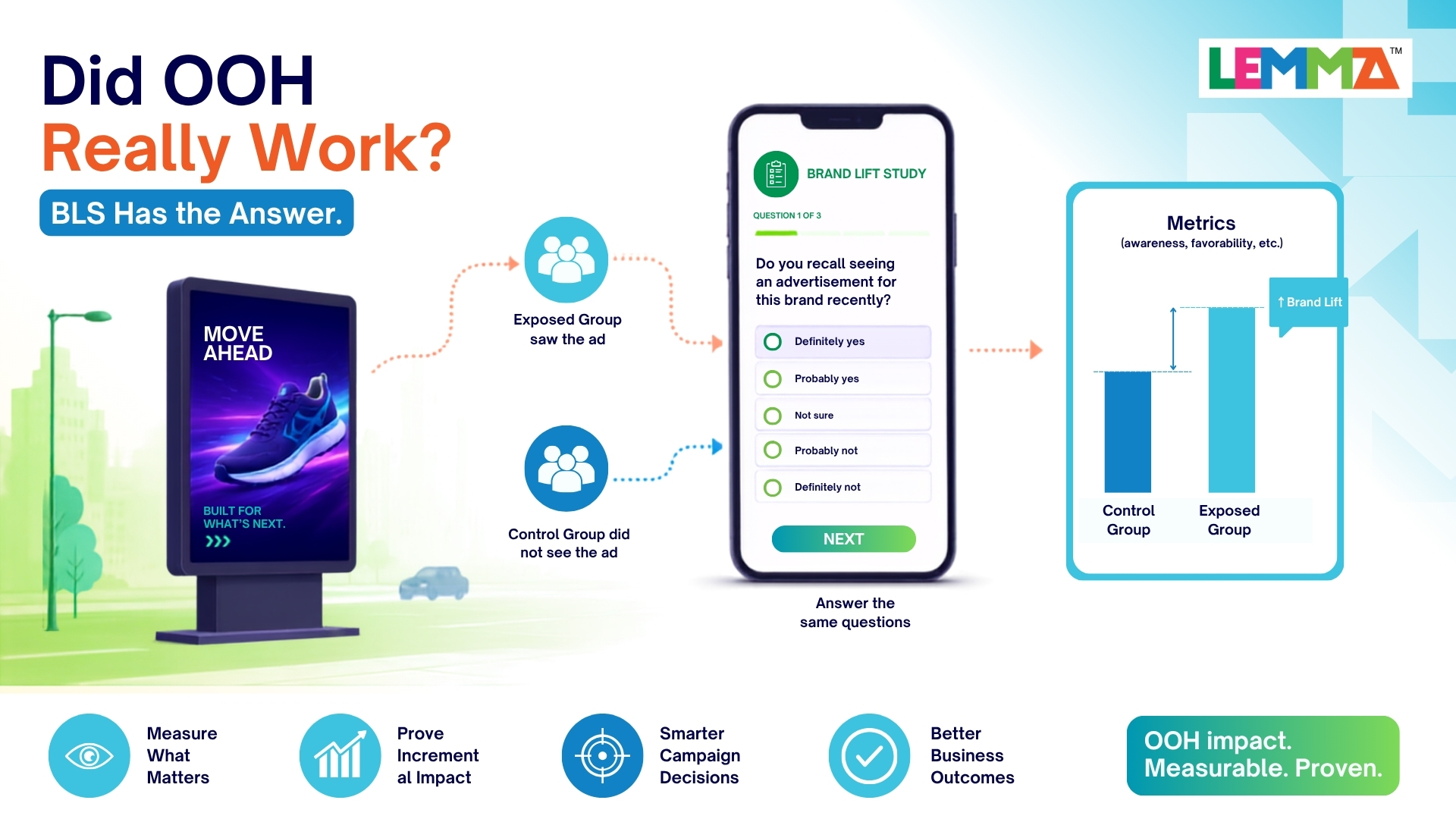
This shift toward accountability is fundamentally changing the role of Digital Out-of-Home DOOH. Long valued for its reach, OOH often sat outside the performance conversation due to attribution limits.
Aligning with this industry-wide move toward transparency, Lemma recently launched Lemma Integral, an AI-first platform designed to turn OOH into a measurable performance channel. By connecting outdoor exposure with digital engagement and downstream actions through the proprietary Lemma Audience Graph, the platform allows brands to plan, retarget, and optimize OOH with the same precision as digital channels. It’s a move that finally enables “Outdoor to Outcome” visibility.
What POSSIBLE Miami Signals for Adtech
The dialogue at POSSIBLE Miami 2026 confirms that the industry is entering a new phase of accountable advertising, where media is no longer judged only by reach, but by its ability to demonstrate measurable business impact. As AI continues to reshape planning, activation, and measurement, the brands that move ahead will be the ones that stop thinking in channels and start thinking in outcomes.
At Lemma, that shift is already shaping how we view the next chapter of advertising, one where physical and digital media no longer operate separately, and every touchpoint can contribute to a clearer, more measurable customer journey. The future of adtech will not simply be more connected; it will be more accountable.